RahrBSG Blog
The New Face of West Coast IPA
Posted August 13, 2026 in Brewing
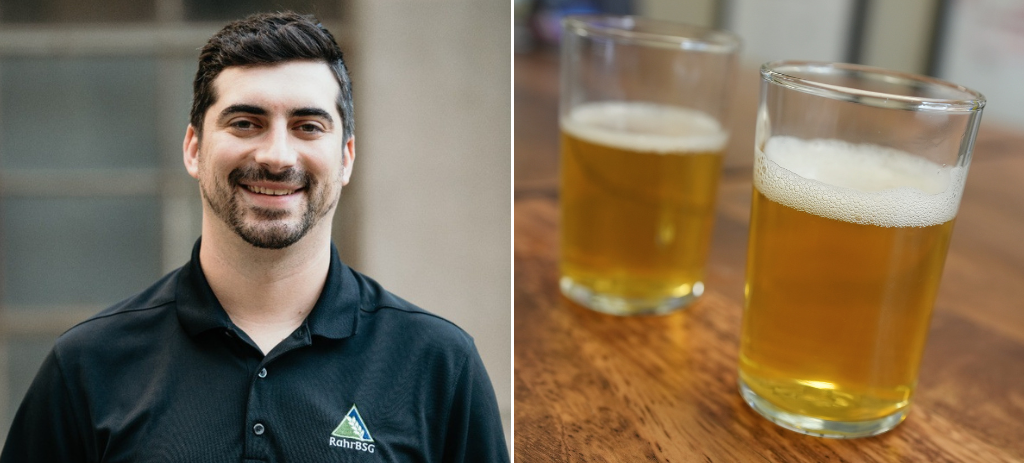
Love it or hate it, times change and tastes change, too. Khaki cargo shorts are cool once again, but what was once considered a true-to-style West Coast IPA no longer fits the bill. To better understand the best ingredients and techniques for brewing a Modern West Coast IPA, we’ve tapped RahrBSG Regional Sales Manager – New England CJ Penzone for the assist (Don’t let his territory misguide you; CJ has West Coast IPAs in his blood).
Based in Pennsylvania, Penzone recently surveyed 30 award-winning* breweries from all over the USA about their West Coast IPAs. Twenty-three brewers responded. He then asked them each 25 questions about ingredient preferences, brewing processes, and sensory data. Things got heavy and technical.
CJ collected and shared his findings at his local MBAA district in a presentation called, “The Evolution of West Coast IPA: What’s Changed, What Matters, and How You Can Leverage Data to Create Modern West Coast IPAs.” Everything you’ll learn from here on out has been stolen from CJ’s laptop.
*We’re talking about GABF and WBC awards here. The real deal, Holyfield.
CLASSIC WEST COAST IPAs
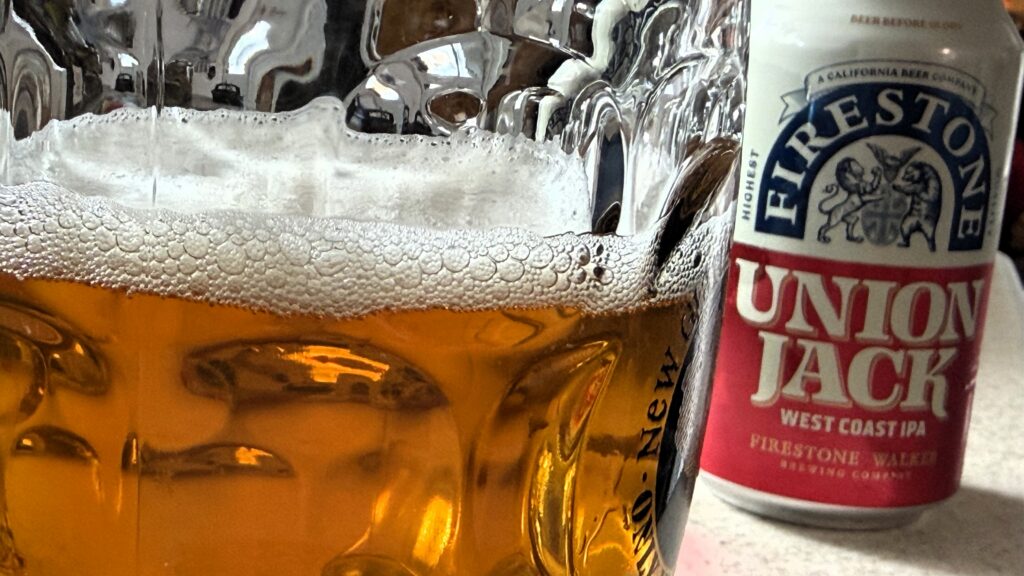
When people think of Classic West Coast IPAs, they think of crystal malt and “C” hops. Namely Cascade, Centennial, Columbus, Chinook, and Citra.
Examples include Lagunitas IPA, Stone IPA, Sierra Nevada Torpedo, Green Flash, Firestone Walker, and Ballast Point.
These beverages are pale to copper in color. They are clear, but a slight chill haze is acceptable. They boast a medium body and provide medium malt aroma and flavor. ABV ranges from 6.3-7.5 percent, and the average color value sits near 8.5 SRM. Hop aroma and flavor is high, while bitterness tends to be high to very high.
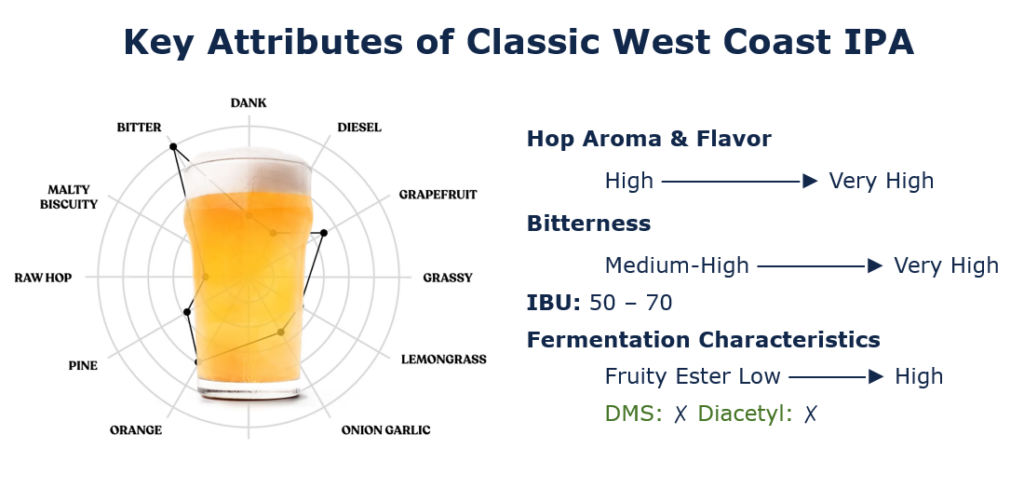
Based on data from IPA: Brewing Techniques, Recipes and the Evolution of India Pale Ale by Mitch Steele, we can paint a picture of what a classic commercial West Coast IPA recipe would have looked like in 2012.
2012 Classic West Coast IPA Recipe
- OG: 16.3
- FG: 3.2
- ABV: 7.0%
- IBU: 68.0
- SRM: 8.7
- Grain Bill: 2-Row, Dextrin, C-40
- Hops: Centennial, Simcoe, CTZ
- Yeast: US-05
MODERN WEST COAST IPAs
When people describe Modern West Coast IPAs, they use terms such as dry, pale, crisp, clear, tropical, fruity, dank, firm, bitter, aromatic, hop saturated, and highly drinkable.
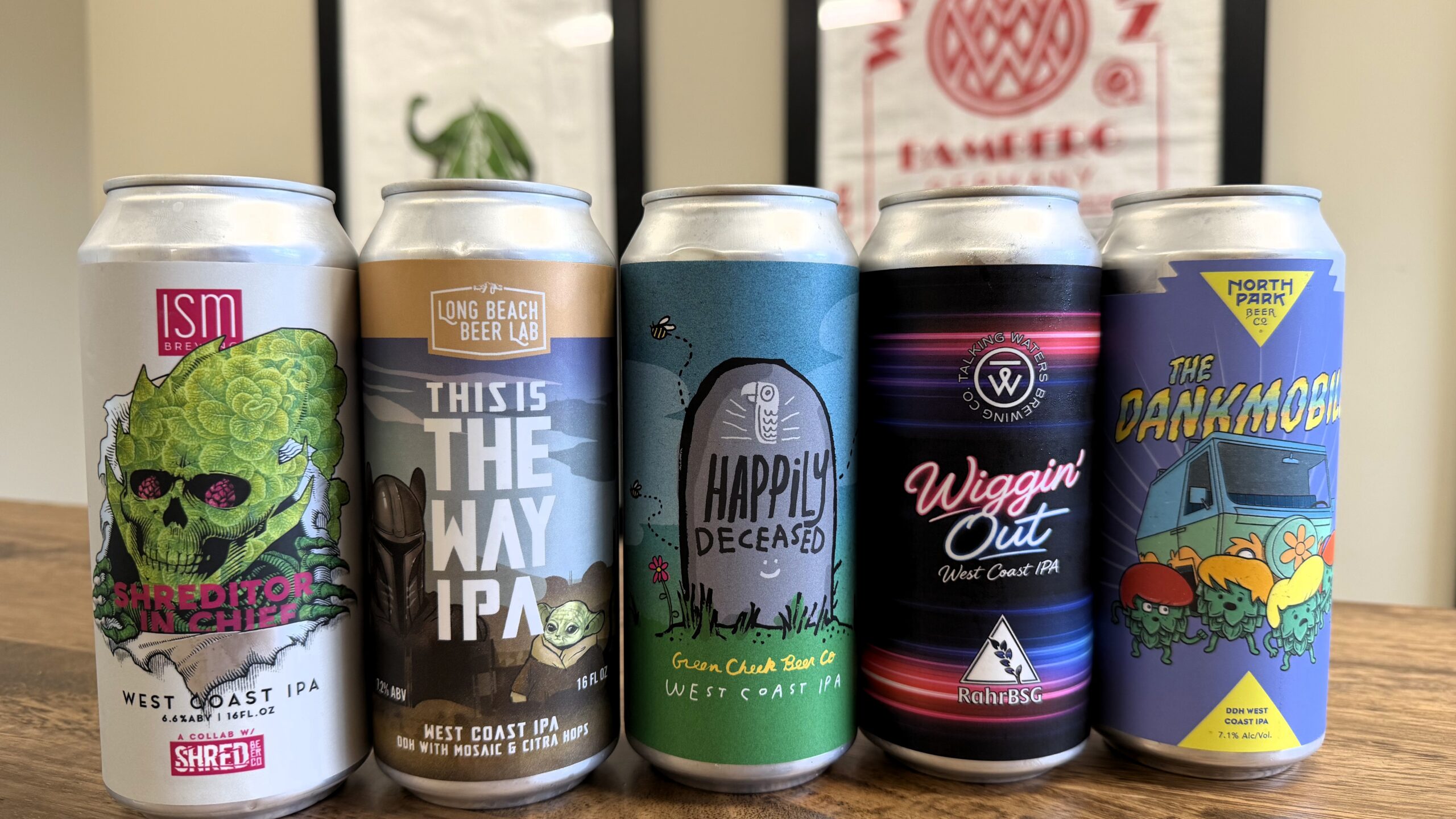
Brewers playing in this Modern West Coast IPA space include pFriem, Green Cheek, Westbound & Down, Grand Fir, North Park, Highland Park, Breakside Brewery, Ghost Town, Alvarado Street, Cannonball Creek, and Ism.
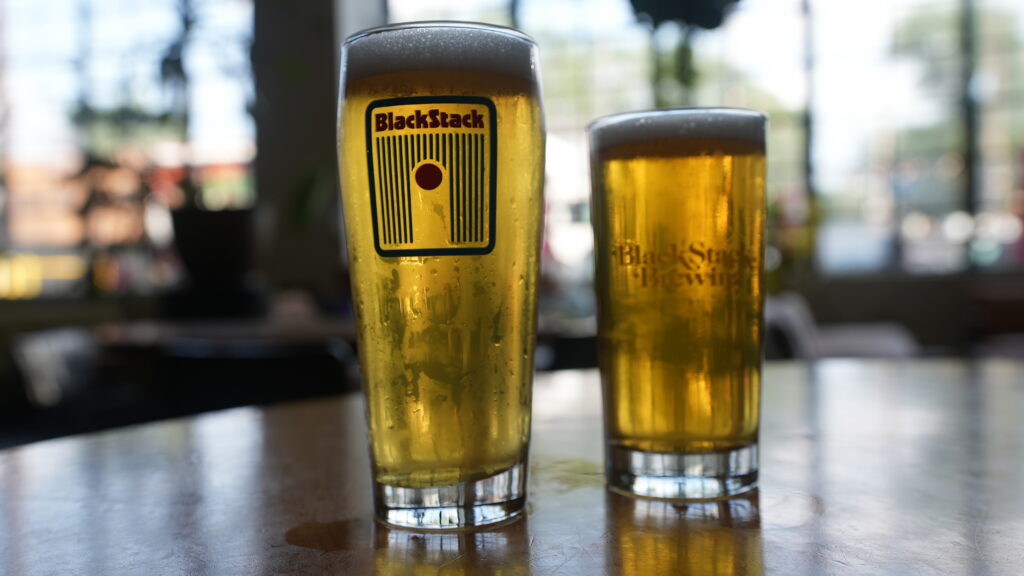
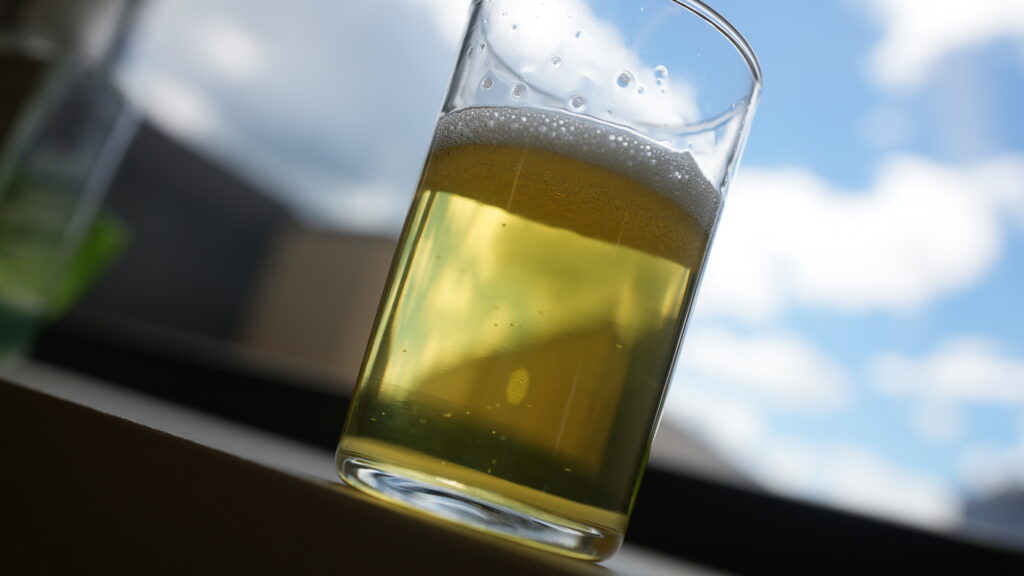
These modern hop-forward beverages are straw to gold in color, measuring 2-6 SRM. They tend to be clear, but low chill haze is once again acceptable. They boast a light body, low malt flavor, and here’s the important part: they tend to be brewed without caramel or roasted malt. ABV remains similar, ranging from 6.3 to 7.5 percent. Hop aroma and bitterness are high to very high.
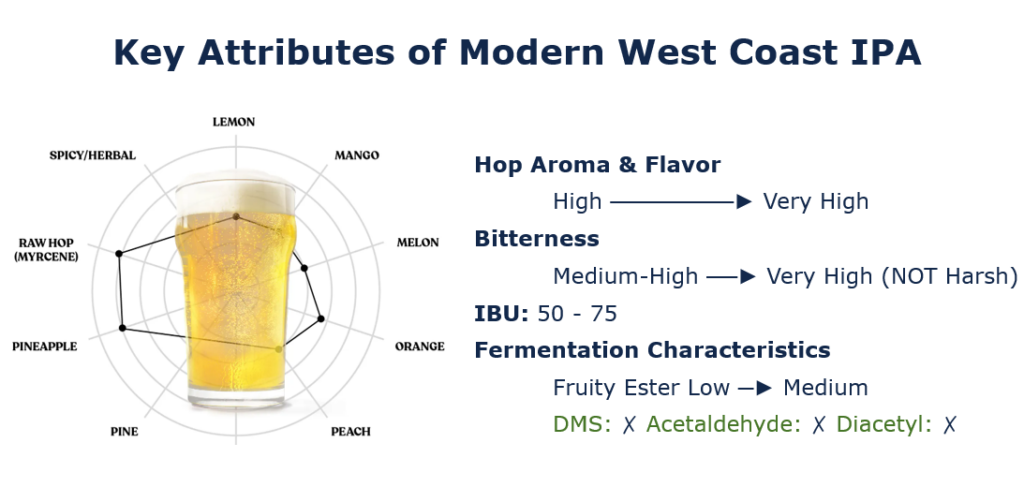
Based on data from a survey of award-winning West Coast IPAs conducted by RahrBSG’s CJ Penzone, we can offer a glimpse of what an award-winning Modern West Coast IPA recipe might look like.
2026 Modern West Coast IPA Recipe
- OG: 14.7
- FG: 1.7
- ABV: 7.0%
- IBU: 68.0
- SRM: 3.3
- Grain Bill: Pilsner, Extra Pale Wheat, Dextrose
- Hops: Mosaic, Mosaic Cryo, Mosaic Dynaboost, Nelson Sauvin, Nelson Sauvin Cryo, Strata, Simcoe CO2 Extract
- Yeast: US-05
What’s Changed Over the Years?
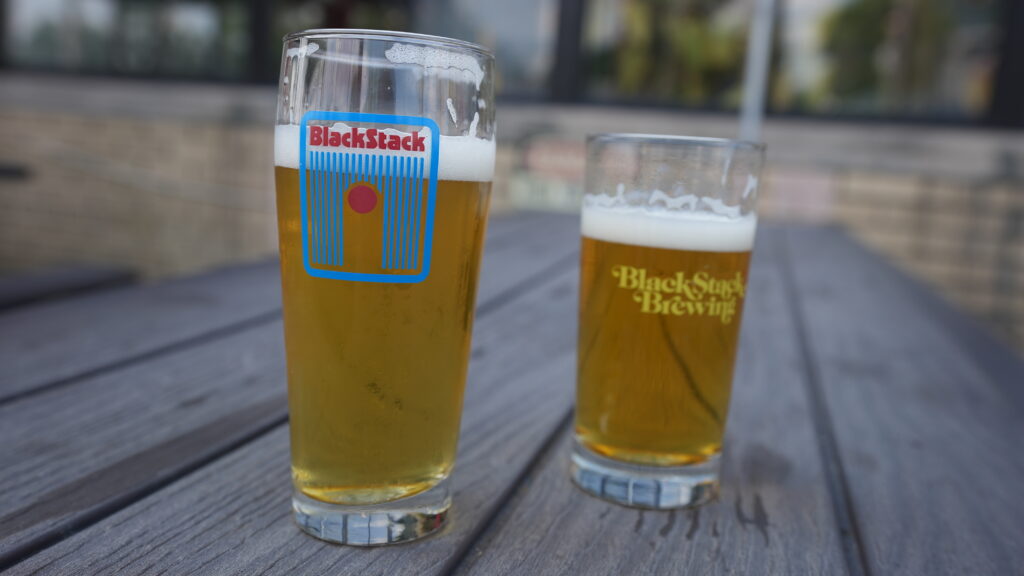
West Coast IPAs have become significantly paler in color. Caramel and roasted malts are no longer acceptable, leading to beers that are lighter and more drinkable. Unlike Hazy IPAs, Modern WC IPAs are expected to be clear. Hop aroma and hop bitterness are still expected to headline the show, and attenuation should be high.
What the Survey Says
According to 23 respondents – all of which have won medals at GABF or WBC since 2023 – Modern WC IPAs should be: Bright, crisp, and highly drinkable. They should be hop-forward and aroma driven with minimal malt distraction. [insert maltster’s tears here.] A fruit-forward hop character is favored, as is a dry and snappy finish.
Brewers are encouraged to think of the style as a pilsner-like base with IPA-level intensity, where keeping things simple and using fewer ingredients is the name of the game. Let hops take the stage while malt and yeast remain neutral. Aim for crystal clarity and high drinkability.
Notes on Choosing Malt for your Modern West Coast IPA
Select a well modified, low color, low protein Pilsner malt. A well modified malt will lead to better attenuation, improved beer clarity, and improved brewhouse performance. Target a total protein below 11.5% and color between 1.3 and 1.7 SRM.
Brewers will find Rahr North Star Pils™, Rahr To Thee Pils™, and Ultra Dingemans Pils in this ballpark.
To reduce color, protein, and flavor impact, consider incorporating Flaked Rice or Dextrose. To aid in foam stability and improve mouthfeel at low finishing gravities, incorporate Malted White Wheat or Flaked Wheat.
Additional Information and Resources
For help with choosing hops, yeast, and dialing in your processes, partner with your RahrBSG sales rep. They’re eager to brew with you. And if you’d like to peruse CJ Penzone’s full power-point presentation on West Coast IPA, click below.
The Evolution of West Coast IPA – Click to Download
HenHouse Brewing on the Importance of Malt in West Coast IPAs
Brew a West Coast IPA with Gambrinus IPA Malt
What’s a Classic West Coast IPA and Why’s it So Damn Good?